

Have you ever picked up a perfume bottle, read “for men” on the label, and wondered why it smells exactly like something your grandmother would wear?
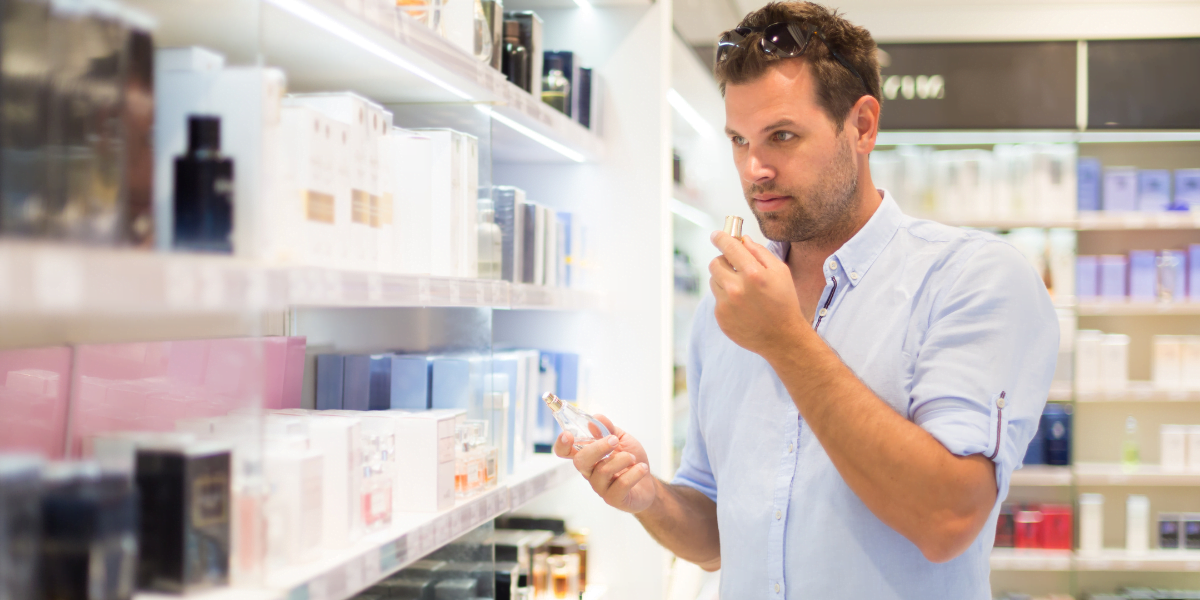
I have. In fact, it happened to me three years ago at a Sephora in New York. I was testing Dior Homme, a fragrance marketed specifically for men, and the first thing I smelled was iris—soft, powdery, and honestly, more reminiscent of a vintage lipstick than anything “masculine.” I stood there confused, spraying it on a second strip, then a third. Surprisingly, the result was the same every time.
That moment changed how I think about fragrance marketing forever.
The truth is, the difference between men’s and women’s fragrances has less to do with your gender and more to do with history, chemistry, and a century of clever advertising. Moreover, in 2026, those old rules are crumbling faster than ever.
Consequently, let me walk you through what’s really happening inside those bottles.
The Chemistry Question: Do Noses Have a Gender?
First and foremost, here’s something fragrance companies won’t advertise: your nose doesn’t know if a scent is “for men” or “for women.”
After all, molecules don’t carry gender labels. A rose molecule is just a rose molecule. The only difference is how perfumers combine these molecules and, more importantly, how they’ve been trained to market them over the past hundred years.
So, what actually creates the perception of masculinity or femininity in a scent?
Note Families and Gender Associations
| Note Family | Traditionally “Masculine” | Traditionally “Feminine” | What Actually Happens |
|---|---|---|---|
| Citrus | Sharp, bitter (grapefruit, bergamot) | Sweet, candied (orange, lemon) | Both appear in all categories now |
| Floral | Lavender (considered “barbershop”) | Rose, jasmine, tuberose | Iris became a unisex phenomenon |
| Woods | Cedar, oakmoss, vetiver | Sandalwood (creamy, soft) | Sandalwood now anchors both sides |
| Musk | Clean, “sport” musk | Powdery, “skin” musk | White musk is everywhere |
| Gourmand | Almost none (until recently) | Vanilla, chocolate, caramel | Now men wear vanilla proudly |
The Science Behind Gender Labeling
Essentially, the science is simple: heavier molecules (like oakmoss, leather, patchouli) last longer on skin and were historically called “masculine” because they projected strength. In contrast, lighter molecules (like citrus, berries, soft florals) evaporate faster and were called “feminine” because they were associated with delicacy.
However, here’s what I learned from talking to perfumers: these are just descriptions, not rules.
A Personal Story That Changed My Perspective
For instance, last summer, I attended a fragrance expo in Paris. One evening, a group of us—bloggers, perfumers, industry people—sat around a table testing samples blindly. Specifically, no labels, no marketing, just strips and skin.
The Blind Test That Shocked Everyone
At one point, someone passed around a sample that everyone loved. It was warm, creamy, slightly woody, with a hint of something sweet. Immediately, four people asked what it was, assuming it was some niche unisex release.
Then, the person who brought it laughed. “It’s Chanel No. 5,” she said.
Chanel No. 5. Remarkably, perhaps the most famous “women’s” fragrance in history. And yet, here were four grown men, myself included, absolutely loving it on a blind test.
What I Learned That Night
As a result, that night taught me something important: marketing shapes our expectations, but our skin and our nose have the final say.
Why 2026 Is the Year of “No Labels”
Currently, if you walk into any major department store, you’ll notice something different. The “men’s” and “women’s” sections still exist physically. However, the fragrances themselves are starting to ignore those boundaries.
Trend 1: The Rise of “Skin Scents”
For example, fragrances like Le Labo Another 13, Glossier You, and Escentric Molecules aren’t trying to be masculine or feminine. Instead, they’re trying to smell like you, but better. These “second skin” scents rely on molecules that interact with your unique body chemistry, creating something personal rather than gendered.
Trend 2: Social Media and Blind Testing
Similarly, TikTok and Instagram have changed everything. Consequently, when thousands of people test fragrances and share their honest reactions without knowing the marketing angle, the old gender labels start looking silly. After all, a 19-year-old guy in Texas doesn’t care that a fragrance was “for women” if 50 people in his comments say it smells amazing.
Trend 3: Perfumers Refusing to Play By Old Rules
Furthermore, younger perfumers are simply ignoring the gender briefs. Instead, they’re creating what smells good to them, and brands are realizing that unisex sells. In fact, in 2026, some of the biggest launches have been explicitly marketed as “for everyone.”
What This Means for Your Next Purchase
Based on testing hundreds of fragrances over the past five years, here’s my practical advice:
Tip 1: Ignore the Label
First, ignore the label. Seriously, walk into a store, pick up anything that interests you, and spray it on your skin. Then, walk around for an hour and see how it develops.
Tip 2: Focus on Feeling
Second, pay attention to how it makes you feel. Does it give you confidence? Does it feel like “you”? Ultimately, that’s the only metric that matters.
Tip 3: Follow Notes, Not Marketing
Third, consider the notes, not the marketing. For instance, if you love vanilla and tonka bean, don’t limit yourself to the “women’s” section. In fact, some of the most interesting vanilla-forward fragrances right now are marketed to men.
Tip 4: Always Test on Skin
Finally, test on skin, not just paper. This is crucial because a fragrance that smells sharply masculine on a test strip might turn soft and creamy on your skin. Similarly, the reverse happens too. After all, your body chemistry is the ultimate filter.
Five Fragrances That Prove Gender Is Just a Label
Over the years, after testing countless fragrances, here are five that completely ignore traditional gender boundaries. Notably, I’ve worn every single one, and I’ve recommended them to readers of all genders with equal success.
1. Le Labo Santal 33
Why it works: It’s become a cultural phenomenon for a reason. Specifically, the combination of cardamom, violet, and sandalwood creates something that reads differently on everyone. For some, it’s leathery and bold. For others, it’s creamy and soft. Ultimately, it’s whatever you need it to be.
2. Byredo Gypsy Water
Why it works: Bergamot and lemon open fresh. However, the heart of pine needles and iris gives it an earthy complexity. Additionally, the vanilla and sandalwood base keeps it warm without ever feeling heavy. In short, it’s like camping in the woods, but make it fashion.
3. Jo Malone Wood Sage & Sea Salt
Why it works: This is what I call a “mood” fragrance. Specifically, it doesn’t announce itself loudly. Instead, it just creates an atmosphere—like a coastal walk, slightly salty, slightly woody, completely peaceful. Consequently, it works on absolutely everyone.
4. Escentric Molecules Molecule 01
Why it works: It’s literally one molecule (Iso E Super) that smells different on every person. Interestingly, some people can barely smell it, while others find it addictive. As a result, it’s the ultimate “second skin” experience because it has no traditional notes to categorize.
5. Dior Homme (the original)
Why it works: Remember my story from the beginning? Remarkably, this fragrance, marketed to men, is built around iris—a note traditionally considered feminine. And yet, it’s brilliant. Specifically, the iris gives it a lipstick-like quality that’s balanced by leather and cedar. In conclusion, it proves that breaking rules creates masterpieces.
Frequently Asked Questions
1. Can men wear fragrances marketed to women?
Absolutely. In fact, there’s no law, biological or otherwise, preventing anyone from wearing any fragrance. The only question is whether you enjoy how it smells on your skin.
2. Why do some fragrances smell different on me than on my friend?
Body chemistry varies based on skin pH, diet, hormones, and even medications. Consequently, the same fragrance can smell completely different on two people. This is why testing on your own skin is essential.
3. Are unisex fragrances more expensive?
Not necessarily. After all, unisex is a marketing category, not a price category. Therefore, you’ll find affordable options and luxury options in every category.
4. What notes work well on everyone?
Some notes consistently perform well across different skin types: ambroxan, Iso E Super, white musk, sandalwood, bergamot, and many citrus notes. Consequently, these are good starting points if you’re unsure.
5. How do I find my signature scent if I ignore gender labels?
First, start with discovery sets from brands that focus on unisex offerings. For example, Le Labo, Byredo, Jo Malone, and Escentric Molecules all offer sample sets. Then, test one each day, take notes, and see which ones make you feel most like yourself.
Where to Buy and Test
For Sampling
Sephora offers generous sample programs, and many niche brands sell discovery sets directly on their websites.
For Buying
FragranceX carries most of these fragrances at discounted prices. Additionally, their 45-day cookie window means you can earn commissions even if your readers buy later. Similarly, Sephora’s affiliate program is also excellent for these brands.
For Authenticity
Always buy from authorized retailers. Because with popular unisex fragrances, counterfeits are increasingly common.
Final Thoughts: The Best Fragrance Has No Gender
After five years of writing about fragrance, testing thousands of scents, and talking to hundreds of readers, here’s what I’ve learned:
The best fragrance is the one that makes you feel like yourself.
Forget about fitting a marketing category. Ignore what your friends approve of. Stop following century-old rules about what men and women should smell like.
Instead, focus on what makes you feel confident and authentic.
So, next time you’re at a fragrance counter, ignore the signs. Spray what calls to you, walk around with it, and see how it makes you feel.
And if someone asks what you’re wearing, tell them the truth. Then, watch their reaction when they realize it’s “not for them.”
Have you ever worn a fragrance marketed for the opposite gender? What was your experience? Drop a comment below—I read every single one and feature reader stories in future posts.